.png)
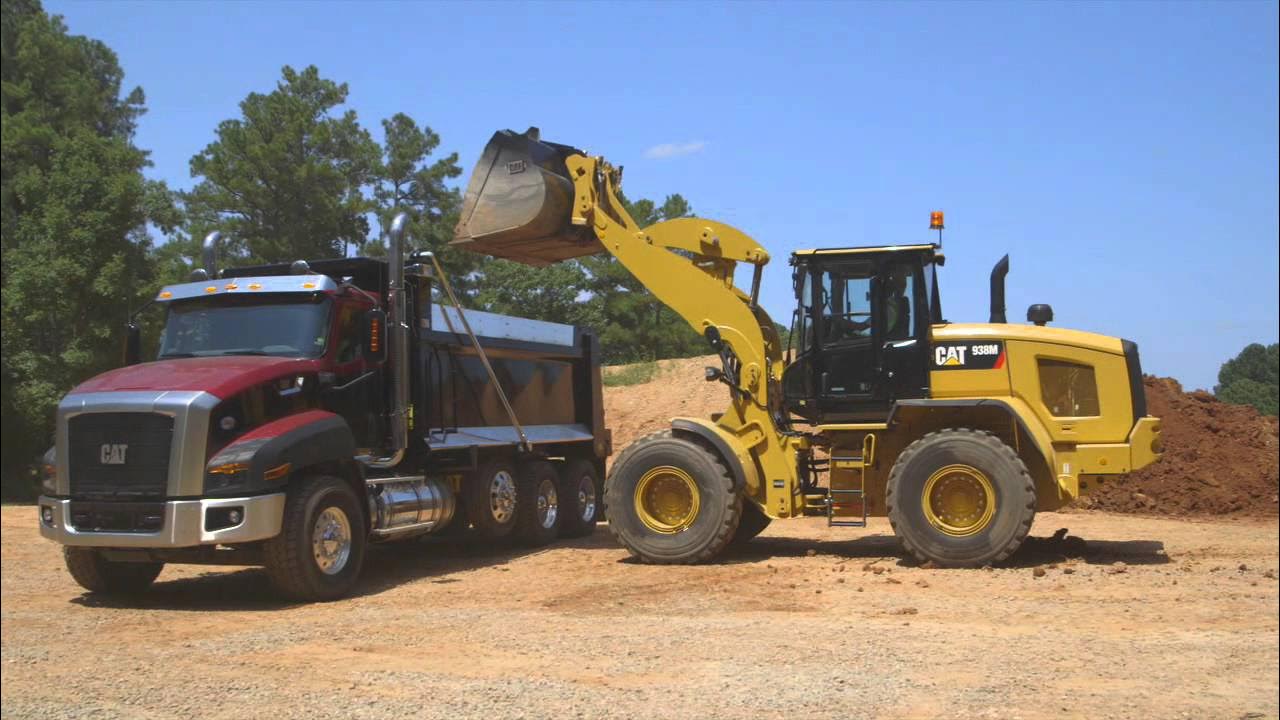
In today's competitive construction market, the difference between profit and loss often hinges on project timeline management. The [McKinsey Global Institute](https://www.mckinsey.com/industries/capital-projects-and-infrastructure/our-insights) reports that large construction projects typically finish 20 months behind schedule and run 80% over budget, with equipment-related delays accounting for nearly 30% of timeline overruns. Strategic equipment selection, particularly focusing on reliable, low-hour machines, transforms this challenge into a competitive advantage. This comprehensive analysis examines how the right equipment choices directly impact project timelines, profitability, and client satisfaction.
The True Cost of Equipment-Related Delays
Understanding the cascading impact of equipment failures reveals why machine selection proves critical for project success. When a key piece of equipment fails, costs extend far beyond repair expenses. The [Construction Industry Institute (CII)](https://www.construction-institute.org/) calculates that each day of equipment-related delay costs an average of $15,000-50,000 for mid-sized commercial projects, considering labor idle time, schedule compression costs, and potential liquidated damages.
Labor productivity immediately suffers when equipment fails or underperforms. A crew of six workers idled by excavator breakdown costs approximately $2,400 daily in wages alone, not accounting for lost productivity momentum or overtime required to recover schedule. The [Bureau of Labor Statistics](https://www.bls.gov/productivity/) indicates that construction labor productivity has declined 40% since the 1970s, with equipment reliability being a significant contributing factor.
Schedule compression becomes necessary when delays threaten milestone dates, exponentially increasing costs. Contractors must mobilize additional equipment, authorize overtime, and potentially add shifts to recover lost time. These acceleration costs typically run 150-200% of normal rates, rapidly eroding project margins. Furthermore, compressed schedules increase error rates and safety incidents, creating additional risk exposure.
Client relationships and future opportunities suffer when projects miss deadlines. The [Associated General Contractors of America (AGC)](https://www.agc.org/) reports that 67% of construction contracts now include substantial liquidated damages for timeline violations, often ranging from $5,000-25,000 per day. Beyond immediate financial penalties, delayed projects damage contractor reputation, affecting ability to secure future work and command premium pricing.
Strategic Equipment Selection for Timeline Optimization
Selecting appropriate equipment for specific project requirements directly impacts timeline achievement. Oversized equipment wastes resources and reduces maneuverability, while undersized machines create bottlenecks that delay dependent activities. The sweet spot lies in matching equipment capabilities precisely to project demands while maintaining adequate reserve capacity for unexpected conditions.
Cat excavators exemplify how proper sizing affects project pace. Using a Cat 336 excavator for large-scale earthmoving eliminates the multiple cycles required by smaller machines, reducing excavation phases by 40-60%. Conversely, attempting precision grading with oversized equipment proves inefficient, making compact models like the Cat 308 ideal for detailed work. The [National Association of Home Builders (NAHB)](https://www.nahb.org/) documents that right-sized equipment selection reduces project duration by an average of 18% compared to poor equipment matching.
Skid steer versatility significantly impacts timeline efficiency by eliminating equipment mobilization delays. Rather than waiting for specialized machines for each task, a Cat skid steer with appropriate attachments transitions seamlessly between applications. This flexibility proves particularly valuable during finishing phases when multiple trades require equipment support simultaneously. Projects utilizing skid steers for multi-purpose applications report 25% reduction in equipment-related scheduling conflicts.
Equipment standardization across project sites improves efficiency through operator familiarity and maintenance simplification. When operators work with consistent equipment models, productivity increases 15-20% due to reduced learning curves and improved confidence. Standardization also simplifies parts inventory and enables mechanic specialization, reducing maintenance duration and improving first-time fix rates.
The Reliability Premium: Why Low-Hour Equipment Pays Dividends
Equipment with less than 8,000 operating hours demonstrates measurably superior reliability that directly translates to timeline protection. The [Equipment Leasing and Finance Association (ELFA)](https://www.elfaonline.org/) documents that machines within this hour range experience 70% fewer unexpected breakdowns compared to equipment exceeding 12,000 hours, making them essential for timeline-critical projects.
Uptime reliability becomes paramount when equipment operates on critical path activities where delays directly extend project completion. Low-hour machines maintain uptime rates exceeding 95%, compared to 80-85% for high-hour equipment. This 10-15% availability improvement might seem modest, but on a 100-day project, it represents two to three weeks of additional productive time—often the difference between early completion bonuses and liquidated damages.
Performance consistency throughout the shift maximizes daily production rates. High-hour equipment often experiences power fade, hydraulic slowdown, and increased cycle times as components wear. The [International Council on Systems Engineering (INCOSE)](https://www.incose.org/) quantifies this degradation at approximately 2% annually after 5,000 hours, meaning a 10,000-hour machine operates 20% below original specifications. This performance degradation extends task duration, compounds across multiple activities, and ultimately delays project completion.
Predictive maintenance becomes feasible with low-hour equipment featuring intact monitoring systems and documented service histories. These machines provide reliable diagnostic data enabling condition-based maintenance that prevents failures before they impact schedule. Organizations leveraging predictive maintenance on low-hour equipment report 65% reduction in unplanned downtime, protecting project timelines while reducing maintenance costs.
Integrating Technology for Schedule Optimization
Modern construction equipment incorporates sophisticated technology that directly impacts project timeline management. The [Project Management Institute (PMI)](https://www.pmi.org/) identifies equipment technology integration as one of five key factors differentiating high-performing construction projects from industry averages.
GPS and grade control systems eliminate rework that traditionally extends project timelines. Cat equipment featuring integrated grade control achieves finish grade 40% faster than conventional methods while reducing survey crew requirements. The [American Society of Civil Engineers (ASCE)](https://www.asce.org/) calculates that grade control technology prevents an average of 8-12 days of rework on typical site development projects, directly accelerating completion.
Telematics platforms provide real-time visibility into equipment location, utilization, and performance across multiple machines and job sites. Project managers can identify underutilized equipment for redeployment, preventing unnecessary rental expenses while maximizing productivity. Fleet optimization through telematics typically improves equipment utilization rates by 20-30%, reducing the total fleet size required and associated mobilization time.
Payload management systems on Cat excavators and loaders optimize truck loading cycles, reducing haul phase duration by 15-25%. By eliminating underloading and overloading, these systems maximize every truck cycle while preventing overweight violations that cause costly delays. Combined with onboard weighing systems, operators achieve target loads consistently without time-consuming trial and error.
The Owner-Operator Advantage in Timeline Management
Partnering with owner-operator equipment providers delivers timeline advantages beyond simple machine availability. These specialized partners bring operational expertise, responsive support, and flexibility that corporate rental companies cannot match, directly contributing to schedule achievement.
Rapid response capability distinguishes owner-operators when equipment issues threaten timeline integrity. While corporate rental companies may require days to address problems, owner-operators often provide same-day support, minimizing schedule impact. The [National Federation of Independent Business (NFIB)](https://www.nfib.com/) reports that small equipment service providers average 4-hour response times compared to 24-48 hours for large corporate providers.
Technical expertise from owner-operators who understand equipment applications accelerates problem resolution. These experienced professionals can recommend optimal equipment configurations, suggest alternative approaches, and provide operational guidance that improves productivity. Their hands-on experience translates into practical solutions that keep projects moving forward despite challenges.
Flexible rental terms accommodate project timeline variations without penalty. Owner-operators understand that construction schedules shift due to weather, change orders, and unforeseen conditions. Their willingness to adjust rental periods, swap equipment sizes, or provide temporary additional machines during crunch periods helps contractors maintain schedule despite variability.
Conclusion
Construction site efficiency and timeline achievement depend fundamentally on strategic equipment selection and management. The right equipment, properly sized and reliably maintained, transforms from a cost center into a profit enabler that drives competitive advantage. Low-hour equipment, particularly machines with less than 8,000 operating hours, provides the reliability, performance, and technological capabilities necessary for consistent schedule achievement. When combined with owner-operator partnerships that deliver responsive support and operational expertise, contractors position themselves for timeline success that enhances profitability, strengthens client relationships, and builds reputation for reliable project delivery. In an industry where time literally equals money, investing in the right equipment strategy represents the difference between merely completing projects and building a thriving construction business.