.png)
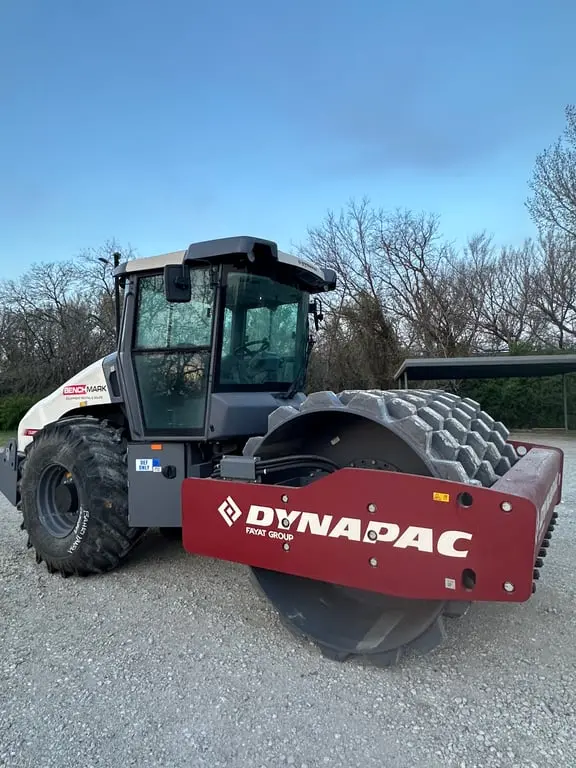
Heavy equipment operation remains one of the most hazardous aspects of construction work. Understanding and implementing comprehensive safety protocols protects operators, ground personnel, and project assets.
Pre-Operation Inspection: Your First Line of Defense
Every safe equipment operation begins long before the engine starts. The National Institute for Occupational Safety and Health (NIOSH) emphasizes that thorough pre-operation inspections prevent approximately 70% of equipment-related incidents. This critical process involves systematically examining all machine components to identify potential hazards before they manifest during operation.
Begin your inspection with a complete walk-around, checking for visible damage, leaks, or worn components. Hydraulic systems demand particular attention—look for oil stains, damaged hoses, or cylinders showing signs of drift. Track or tire condition significantly impacts stability and traction, making their inspection non-negotiable. Verify that all safety devices, including backup alarms, horns, and lights, function properly.
The operator's station requires meticulous examination. Ensure all controls move freely without binding, gauges display accurately, and mirrors provide adequate visibility. Check that the operator's manual is present and legible, as Equipment World magazine notes that readily available documentation reduces response time during emergency situations by up to 40%.
Low-hour equipment, typically defined as machines with less than 8,000 operating hours, demonstrates marked advantages during pre-operation inspections. These machines exhibit fewer wear indicators, maintain tighter tolerances, and generally require less time to inspect thoroughly. Components like pins, bushings, and hydraulic seals remain within manufacturer specifications, reducing the likelihood of unexpected failures that could compromise safety.
Creating and Maintaining Safe Operating Zones
Establishing clearly defined operating zones represents a fundamental safety requirement that prevents struck-by incidents, the second leading cause of construction fatalities according to CPWR - The Center for Construction Research and Training. Effective zone management requires coordination between equipment operators, spotters, and ground personnel to maintain safe distances throughout all operational phases.
The danger zone around heavy equipment extends beyond the machine's physical reach. Swing radius, blind spots, and potential load drop zones must all factor into safety zone calculations. Industry best practices recommend maintaining minimum distances of 10 feet from operating equipment, increasing this buffer based on machine size and operation type. For excavators and cranes, the swing radius plus an additional safety margin determines the exclusion zone boundaries.
Technology plays an increasingly vital role in zone management. Modern equipment featuring low operating hours often includes proximity detection systems, cameras, and radar that enhance operator awareness. The Association of Equipment Manufacturers (AEM) reports that machines equipped with these technologies experience 63% fewer close-call incidents compared to older equipment lacking such systems.
Communication protocols within operating zones demand strict adherence. Establish clear hand signals, radio procedures, and emergency stop protocols before commencing operations. Designate specific individuals as spotters when working in congested areas or near overhead hazards. Remember that effective communication prevents misunderstandings that could lead to serious incidents.
Operator Training and Certification Standards
Proper operator training extends far beyond basic machine controls, encompassing hazard recognition, emergency procedures, and site-specific safety requirements. The National Safety Council emphasizes that comprehensive operator training reduces equipment-related incidents by up to 70%, making it perhaps the most critical safety investment any organization can make.
Certification requirements vary by equipment type and jurisdiction, but OSHA mandates that employers ensure operator competency through formal training programs. These programs must address both classroom instruction covering safety principles and hands-on evaluation demonstrating practical proficiency. Operators should understand load charts, stability principles, and the physics governing their equipment's operation.
Refresher training maintains skill currency and introduces operators to new safety technologies. Annual recertification, while not always legally required, represents industry best practice. Additionally, operators transitioning to different equipment models require supplementary training addressing model-specific characteristics and safety features.
Equipment with lower operating hours facilitates more effective training outcomes. These machines respond predictably to control inputs, maintain consistent performance characteristics, and incorporate the latest operator assistance technologies. Trainees learning on well-maintained, low-hour equipment develop proper operational habits without compensating for equipment deficiencies, establishing safer long-term practices.
Leveraging Technology for Enhanced Safety
Modern heavy equipment incorporates sophisticated safety technologies that dramatically reduce incident rates when properly utilized. According to the International Organization for Standardization (ISO), implementation of advanced safety systems correlates with a 45% reduction in severity when incidents do occur.
Stability control systems prevent tipovers by monitoring machine attitude and load distribution in real-time. When approaching stability limits, these systems provide warnings or automatically limit functions that could compromise balance. Load moment indicators on cranes and telehandlers prevent overloading by continuously calculating whether planned lifts remain within safe parameters.
Collision avoidance systems utilizing radar, cameras, and proximity sensors alert operators to personnel or obstacles in blind spots. The Mine Safety and Health Administration (MSHA) credits similar technologies with reducing backing accidents by 80% in mining applications, demonstrating their effectiveness in preventing struck-by incidents.
Low-hour equipment typically features the most current safety technology iterations, providing superior protection compared to older machines. Software updates, sensor calibration, and system integration remain optimized on newer equipment, ensuring safety systems function as designed. Additionally, operators find these systems more intuitive and reliable, increasing their trust and utilization of safety features.
Maintenance: The Overlooked Safety Factor
Regular maintenance directly correlates with operational safety, yet many organizations treat maintenance as a production issue rather than a safety imperative. The American Society of Safety Professionals (ASSP) identifies inadequate maintenance as a contributing factor in 35% of equipment-related incidents, highlighting its critical importance.
Preventive maintenance schedules must reflect both manufacturer recommendations and actual operating conditions. Severe applications require shortened intervals to maintain safety margins. Document all maintenance activities meticulously, creating a traceable history that identifies developing issues before they compromise safety.
Critical safety components demand priority attention during maintenance activities. Brake systems, hydraulic components, and structural elements require regular inspection and testing to verify continued safe operation. Never defer maintenance on safety-critical systems, regardless of production pressures.
Equipment with less than 8,000 operating hours exhibits superior maintenance predictability. Components remain within wear tolerances, allowing maintenance teams to follow standard intervals confidently. This predictability reduces the likelihood of unexpected failures that could create hazardous conditions. Furthermore, low-hour machines typically maintain complete maintenance histories, enabling informed decision-making about component replacement and safety system calibration.
Conclusion
Heavy equipment safety requires a multifaceted approach combining thorough inspections, comprehensive training, advanced technology utilization, and rigorous maintenance practices. Organizations prioritizing these elements create safer work environments while improving operational efficiency. The strategic selection of low-hour equipment, particularly machines with less than 8,000 operating hours, provides measurable safety advantages through improved reliability, current safety technologies, and predictable performance characteristics. By implementing these essential safety tips and investing in quality equipment, construction companies protect their most valuable assets—their people—while maintaining productive, profitable operations that meet today's demanding project requirements.